
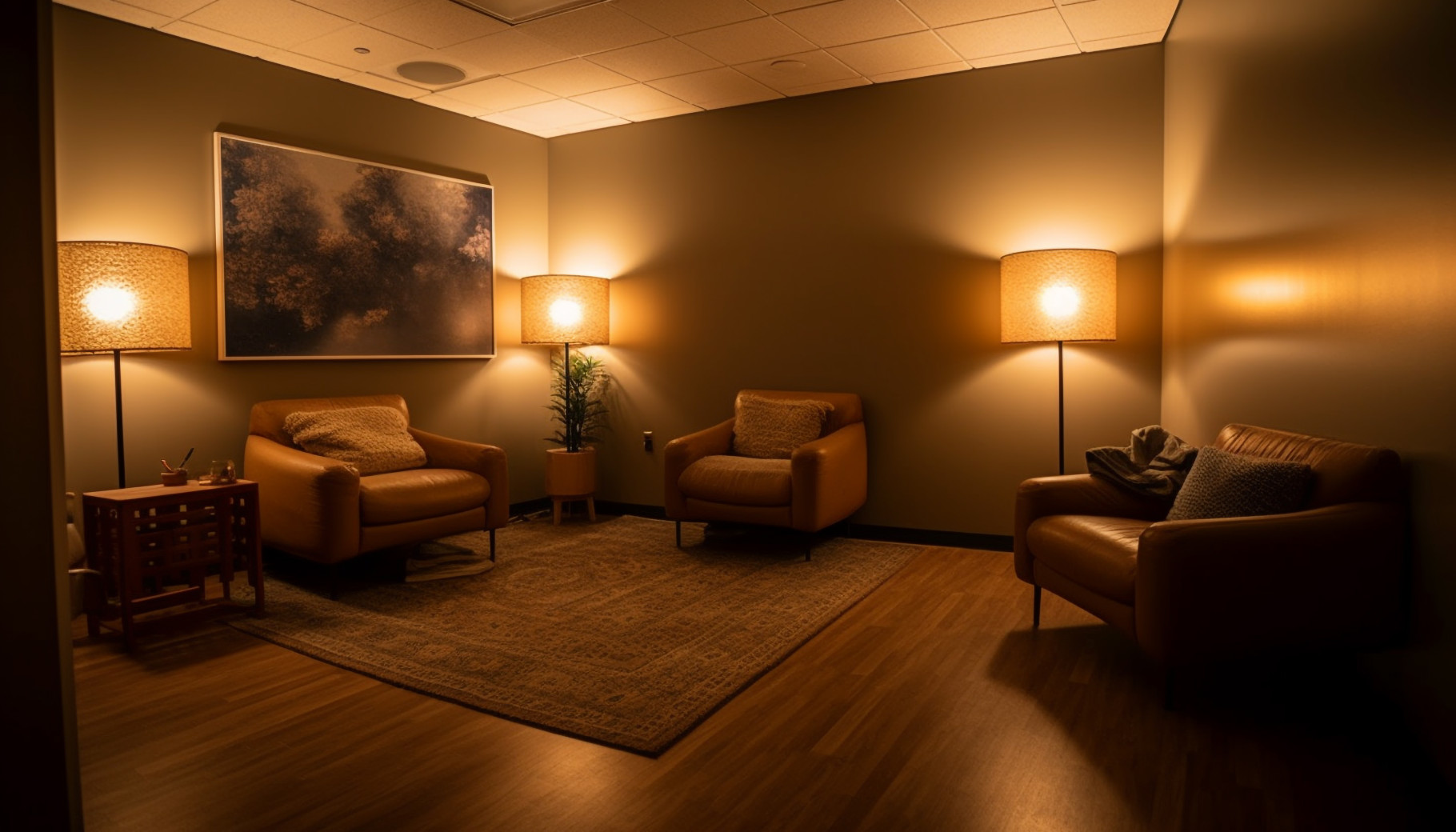
Choosing a light for your home is not just about its aesthetics and looks, it is also about its functionality and the role it plays in your daily comfort. Most homeowners and interior designers still treat lighting as an afterthought- chosen last, budgeted last, and installed without a real plan.
But we are here to change that. Room by room, we walk you through exactly what kind of lighting you need. Whether you are building a new home, renovating an old one, or simply looking to upgrade your lighting, this is your complete room by room lighting guide!
Entryway and Hallway
Your entryway or walkway is the first impression of your house. Hence, making sure that it is soft and illuminating not only helps set the mood for the entire place, but also adds a safety element.
For your entryway and hallway, avoid overly immersive ceiling spotlights as they create harsh, unflattening shadows on the face of anyone entering. If you have the space, use table lamps or wall-mounted ceiling lights.
Alternatively, you can also opt for pendant lights hung slightly lower than usual, making the space feel more inviting.
Create rhythm and depth
Imagine your hallway as a ramp. So, using adjustable spotlights that can illuminate light walls, artworks or photographs, helps visually widen the space. You can also use recessed wall step lights that are installed just a few inches above the floor for guiding movement.
For your gateway and hallway home lighting guide, here are the best products you need:
- Gate Pillar Post Lighting can be easily mounted on your wall pillar to create a welcoming, well-entrance.
- Bollard Lighting can be used in your entryway and driveways to guide movement and add structure to your front yard.
- Exterior Wall Light LED helps with a clean modern look.
- Spike Lights help create drama and highlight specific plants or architectural elements.
The Living Area
The living area is not only the most fluid space in your house, but also the heart of your space. In the living room, simple light source is recommended to create a sense of depth and welcoming atmosphere by layering the lightings effectively.
Use ambient lights as the base layer, accent lighting for highlighting details, and atmospheric lighting such as floor and table lamps for sharp, subtle shadows.
You can also create home relaxation corners for by using floor lamps for a more intimate lighting that helps create an atmosphere conducive to rest. Since the living area is also where you usually install a new TV, use LED lightings that match the luminance ratio between the screen and the background surface. This helps in preventing eye strain as well as achieve subtle, relaxing lighting.
- Ceiling Chandelier can be easily used for grand living rooms with high ceilings. Read our detailed guide to choosing the right ceiling chandelier before deciding.
- LED Ceiling Light Surface can be used for standard ceiling heights (9–10 feet) as they are practical and provide ambient lighting.
- Wall Lights on either side of a TV unit, sofa, or artwork add warmth and dimension to the room.
Kitchen and Dining Area
The kitchen and dining area should transition seamlessly from functionality to conviviality. Designers must integrate task lighting in work areas to avoid shadows and direct glare.
Use functional under cabinet LED lighting that helps with work in the kitchen. It is also crucial to select high colour rendering sources to reduce multiple colour perceptions and ensure even light distribution.
It is also helpful to make your kitchen island as the focal point by using pendant lights positioned approximately 80 to 90 centimetres above the countertop. It helps in perfectly illuminating the work surface without obstructing slight sightliness towards the rest of the room.
The dining table can also benefit from pendant fixtures that shield the bulb to avoid direct glare.
- Hanging Lights (Pendant collection) are the ultimate light fixtures for your kitchen. Key styles to consider include Glass Metal Pendant Multiples, Fabric Shade Pendant, Crystal Pendant and Antique Brass Finish Pendant
Also explore our detailed Ultimate Guide to Pendant Lighting for advice on sizing, height, and styling.
- LED Down Lights (Dimmable) let you bring the ambient light down low during dinner and up high when you need to see clearly.
- LED Strip Lights under floating shelves help create a warm, indirect glow.
For Your Room And Sleeping Area
For bedroom lighting, always try to avoid direct light sources aimed at the bed. The use of LED dimmable lights in a bedroom is the best option as it allows you to change the setting based on the time and purpose throughout the day.
Using ceiling lights, be it recessed or wall-mounted, can also help in providing ambient lighting during night bedroom.
- Bed Side Lighting such as wall-mounted beside lights are the most space-efficient bedside solution, especially in smaller rooms.
- Choose Bed Side Light Switched variants for the convenience of an integrated switch. See our complete guide to bedside lamps for more ideas.
- Table and Floor Lamps help add warmth and personality to your bedroom.
- LED Strip Light behind a headboard, under the bed frame, or along the top of a wardrobe help create a hotel-like glow.
Conclusion
The outcome in residential lighting design does depend on the colour of your home. The wall colours, furniture tones, and decorative items all interact with light very differently, influencing how bright, warm, or spacious the room appears. While lighter colours tend to reflect more light, making the space seem bigger, darker shades absorb light and create a more intimate and dramatic atmosphere. Therefore, selecting the right light fixture for different room settings also depends on the overall palette of your space.
To make sure that you thoughtfully coordinate the symphony of these two, you can also reach out to The Light Kart, where our experts will guide you through the process and help in choosing the right light fixtures for you.
FAQs
The best lighting for a living room is layered lighting, which includes a mix of ambient, task, and accent lighting. While the ambient lighting helps in overall brightness, task lighting is for specific activities, like reading, and accent lighting is for highlighting any decor. You can also use floor lamps, table lamps, and recessed lighting for a comfortable, flexible lighting setup.
Modern kitchens benefit usually from a mix of task and ambient lighting. Use pendant lights over your kitchen islands and under-cabinet LED lights for countertops. You can also use recessed ceiling lights for better visibility while cooking or cutting vegetables, while also maintaining a stylish look.
For creating a relaxing atmosphere in your room, use soft and warm lighting, such as bedside lamps or dimmable ceiling lights. Warm LED bulbs with yellow and yellow lights that help with indirect lighting create a calming atmosphere for better rest and relaxation.
Bathroom lighting should always be bright and even around the mirror and vanity area. Use LED mirror lights or wall-mounted lights to reduce shadow on the face. Overhead lighting that needs less maintenance and can easily survive in the moist temperature of the bathroom are key for your lighting choices.
The best dining room lightings are statement fixture lights such as chandeliers or pendants that are placed above the dining table. You can also use adjustable, on-dimmable LED lights to create the right mood depending on the time of the day you’re having your meal and special gatherings.
Since your home office will be the space where you work or read the most, always use task lighting that reduces glare. A desk lamp with adjustable brightness combined with overhead lighting and natural daylight helps improve focus and productivity while also reducing eye strain.
If you have a small hallway, then using ceiling fixtures, wall sconces, or recessed lighting can help give the feeling of a wider space. It helps and also, it also helps in enhancing safety and visibility without making the hallway feel cluttered.
If you want to make your home atmosphere cozier, then go for warm light bulbs, layered lighting, and LED adjustable lights with dimmers. Use of floor lamps, table lamps, and accent lighting help add warmth and depth by making the space feel cozy and comfortable.